In the heart of the Middle East, a quiet revolution is taking root, one that is transforming not just plates but entire food philosophies. Israel, a nation known for its rich culinary heritage and innovative spirit, has become the epicenter of a plant-based movement that is capturing global attention. At the core of this gastronomic shift is a humble legume: the chickpea. This unassuming ingredient, a staple in the region for millennia, is now being reimagined and elevated to unprecedented heights, showcasing its remarkable versatility and nutritional prowess in modern vegetarian and vegan cuisine.
The chickpea, or chickpea as it is commonly known, is far from a new discovery in this part of the world. Its history in Levantine cooking is deep and storied, forming the backbone of classic dishes like hummus and falafel. However, what sets the current trend apart is the scale of innovation and the conscious effort to position this pulse as a primary protein source, moving it from a side dish to the main event. Israeli chefs, food scientists, and startups are leading the charge, driven by a unique convergence of factors: a significant vegetarian population, strong agricultural tech expertise, and a cultural openness to culinary experimentation.
Walk through the bustling shuks (open-air markets) of Tel Aviv or Jerusalem, and the evidence is everywhere. Beyond the traditional stalls selling creamy hummus by the kilo, new vendors offer chickpea-based products that would have been unthinkable a decade ago. The air is fragrant with the smell of chickpea flour pancakes sizzling on griddles, and display cases are filled with decadent desserts where aquafaba—the viscous water from a can of chickpeas—has been whipped into a foam to replace egg whites in meringues and mousses. This is not niche health food; it is mainstream, affordable, and incredibly delicious street food, embraced by all demographics.
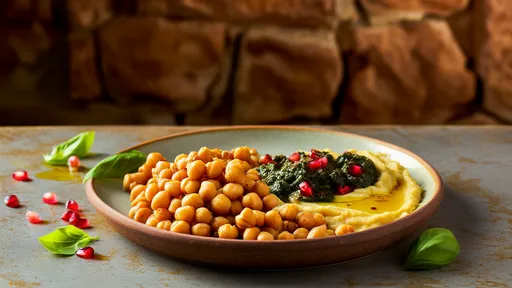
The application of the chickpea in savory dishes has moved far beyond its mashed form. Israeli chefs are deconstructing and reconstructing it to create stunning, restaurant-quality plates. Chickpea "steaks," made from a mixture of whole beans, spices, and binders, are seared to perfection and served with rich, reduced sauces. "Chickpea scallops" are crafted by molding and searing the paste to mimic the texture and appearance of the seafood delicacy, often served on a bed of pea puree. The legume is also being sprouted to enhance its nutrient profile and add a fresh, crunchy element to salads and grain bowls, providing a textural contrast that is vital in plant-based cooking.
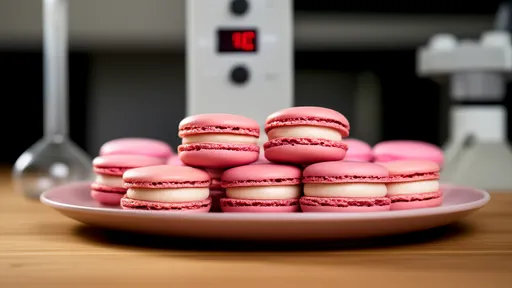
Perhaps the most revolutionary aspect of this trend is the use of aquafaba. Its discovery as a powerful emulsifier and foaming agent has been a game-changer for vegan baking and dessert making. Israeli patisseries are now famous for flawless pavlovas, light-as-air macarons, and rich chocolate mousses that are completely free of animal products. This single ingredient has democratized vegan desserts, making them indistinguishable from their traditional counterparts and allowing those with egg allergies or ethical concerns to indulge without compromise. The creativity doesn't stop there; aquafaba is also being used to create vegan mayonnaise, butter, and even creamy cocktails.
The innovation extends into the realm of dairy alternatives. While almond and oat milk have their place, chickpea milk is emerging as a superior option from a sustainability and nutritional standpoint. It requires significantly less water to produce than nut milks and is naturally higher in protein. Israeli companies are at the forefront of perfecting its taste and texture, creating a neutral-flavored, creamy milk that froths perfectly for cappuccinos and doesn't curdle in hot coffee. Furthermore, this milk is being fermented into yogurts and cultured into tangy, spreadable cheeses, offering a new frontier for those avoiding dairy.
This revolution is deeply intertwined with a broader cultural ethos in Israel that values freshness, health, and sustainability—principles often encapsulated in the term "fresh and local". The chickpea fits perfectly into this framework. It is a drought-resistant crop that improves soil health by fixing nitrogen, making it an environmentally friendly choice for a country mindful of its water resources. Its high protein and fiber content align with a growing public desire for nutritious, filling food that supports a healthy lifestyle. The movement is as much about conscious consumption as it is about culinary delight.
The impact of Israel's plant-based revolution is rippling outward, influencing global food trends and product development. Multinational food corporations are looking to Israeli startups for inspiration and acquisition opportunities. The techniques for utilizing the whole chickpea—the bean, the flour, the aquafaba—are being adopted by chefs and home cooks worldwide, eager to explore its potential. This tiny legume, championed by a small nation, is proving to be a powerful tool in addressing larger global challenges like food security and sustainable agriculture, demonstrating that the future of food might just be found in the wisdom of the past, ingeniously reinvented.
Ultimately, the story of the chickpea in Israel is more than a food trend; it is a narrative of cultural identity, technological innovation, and environmental responsibility converging on a plate. It shows how a deep respect for traditional ingredients, combined with a fearless drive to experiment, can create a cuisine that is both profoundly rooted and excitingly new. The chickpea, in all its forms, has become a symbol of this modern culinary spirit—simple, nutritious, and endlessly adaptable, offering a taste of the future that is already here.
By /Aug 20, 2025
By /Aug 20, 2025
By /Aug 20, 2025
By /Aug 20, 2025
By /Aug 20, 2025

By /Aug 20, 2025
By /Aug 20, 2025
By /Aug 20, 2025
By /Aug 20, 2025
By /Aug 20, 2025
By /Aug 20, 2025
By /Aug 20, 2025
By /Aug 20, 2025
By /Aug 20, 2025
By /Aug 20, 2025
By /Aug 20, 2025
By /Aug 20, 2025
By /Aug 20, 2025
By /Aug 20, 2025

By /Aug 20, 2025
