Indonesian Street Food Hygiene Standards: Safety and Risk Assessment of High-Temperature Frying

Aug 20, 2025 By

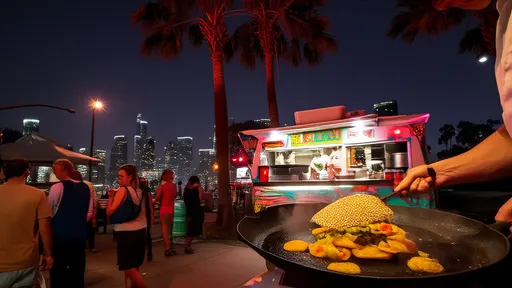
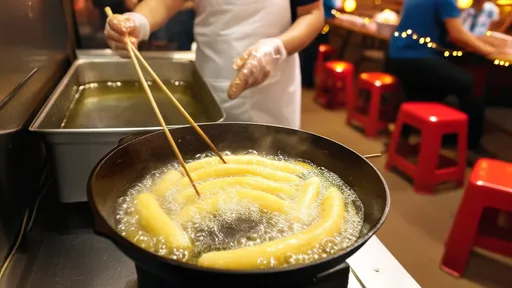
Walking through the vibrant night markets of Jakarta or the bustling food stalls of Yogyakarta, one is immediately enveloped by the intoxicating aroma of sizzling oil and spices. Street food is not merely sustenance in Indonesia; it is a cultural cornerstone, a daily ritual, and an economic lifeline for millions. Among the myriad of cooking methods that define this rich culinary landscape, deep-frying reigns supreme. From the crispy perfection of tempe mendoan to the golden-brown allure of bakwan and the ubiquitous ayam goreng, high-temperature oil is the unseen engine of flavor and texture. Yet, behind this delicious facade lies a complex interplay of tradition, science, and public health, raising critical questions about safety and risk in a largely informal sector.

The sheer thermal power of boiling oil is its greatest asset in ensuring food safety. When implemented correctly, submersion in oil heated between 160°C and 190°C acts as a potent kill-step. This intense heat is lethally effective against a wide spectrum of pathogenic microorganisms, including Salmonella, E. coli, and Listeria, which are common concerns with raw ingredients, particularly poultry and vegetables. The process is remarkably efficient; the exterior of the food item is seared almost instantaneously, creating a barrier that seals in juices while systematically destroying contaminants on the surface. For countless vendors, this method provides a straightforward and reliable means to deliver a product that is not only palatable but also microbiologically safe for consumption, a crucial factor in a tropical climate where food spoilage occurs rapidly.

However, this seemingly straightforward safety mechanism is fraught with variables that can significantly undermine its effectiveness. The informal nature of most street food operations means standardization is often absent. Vendors typically rely on experience and visual cues—the color of the food, the sound of the sizzle—rather than thermometers to gauge oil temperature. Underheating is a pervasive and silent hazard. Oil that has not reached its optimal temperature fails to execute the rapid kill-step, allowing microbes to survive. A piece of chicken that is added to lukewarm oil will stew in a dangerous microbial broth rather than fry, presenting a severe health risk. Conversely, overheating oil accelerates its degradation, leading to a different set of problems that compound the risks.

The longevity and repeated use of frying oil present one of the most significant chemical hazard points. As oil is subjected to prolonged high heat, it undergoes a process of oxidation and hydrolysis, breaking down into a cocktail of harmful polar compounds and polymers. The presence of food particles, moisture, and salt from successive batches only accelerates this degradation. The oil darkens, becomes viscous, and develops a characteristic acrid smell and smoke—tell-tale signs that it is well past its prime. Consuming food fried in this spoiled medium introduces these toxic compounds into the body. Regular intake of such substances is linked to a host of adverse health effects, including inflammation, oxidative stress, and an increased long-term risk of cardiovascular diseases and certain cancers. This is a chronic public health issue often overlooked in favor of acute microbial concerns.

Beyond the oil itself, the entire ecosystem of a street food stall contributes to the overall risk assessment. Cross-contamination is a ever-present threat in cramped working environments. The same utensil or surface used to handle raw meat might be employed for handling cooked food or fresh vegetables. Inadequate access to clean water for washing hands and utensils further exacerbates this problem. The storage of raw ingredients, often without reliable refrigeration, allows bacterial loads to multiply before the food even reaches the fryer. While the fryer can mitigate some of this, it cannot correct for poor upstream hygiene practices. A perfectly fried tempeh can still become a vector for illness if placed on a contaminated plate or handled with unclean hands post-frying.

For the vendors who spend long hours tending to their bubbling woks, the occupational hazards are acute. Continuous inhalation of fumes from hot oil, especially when it degrades, exposes them to volatile aldehydes and other irritants that can cause respiratory issues, eye irritation, and chronic health conditions. The risk of painful splashes and serious burns is a constant reality of the job. Furthermore, the common practice of disposing of used oil improperly—often simply poured into drains or onto the ground—poses an environmental threat, contaminating soil and water sources. The challenges are therefore multi-faceted, impacting consumer safety, vendor welfare, and the environment simultaneously.

Navigating these risks requires a multi-pronged approach that balances respect for tradition with the adoption of pragmatic, accessible solutions. Education is the first and most critical step. Outreach programs conducted by local health agencies, possibly in collaboration with vendor associations, can demystify the science of frying. Simple, low-cost interventions can yield dramatic improvements. Providing vendors with affordable, durable cooking thermometers and training them on their use can ensure oils are always at the correct temperature. Clear visual guides on identifying spoiled oil—comparing its color to fresh oil in a clear glass bottle, for instance—can empower vendors to change their oil more frequently.

Improving waste management is another crucial frontier. Initiatives to collect used cooking oil for recycling into biodiesel or soap create a circular economy, offering vendors a small incentive for proper disposal while mitigating environmental damage. On the consumer side, heightened awareness is key. Patronizing stalls that appear clean, where the oil is clear and not smoking, and where the vendor practices good hygiene (like using tongs and separate preparation areas) can drive market-based change. Consumers voting with their rupiah can be a powerful force for raising standards across the board.

In conclusion, the story of Indonesian street food and its deep-fried treasures is not a simple binary of safe versus unsafe. It is a nuanced narrative woven from threads of cultural heritage, economic necessity, and chemical and biological science. The high-temperature fryer is a powerful tool for safety, but its efficacy is entirely dependent on the practices that surround it. The risks—from undercooked food and toxic oil compounds to cross-contamination and environmental harm—are real and significant. However, they are not insurmountable. Through targeted education, practical tools, and a collective effort from vendors, regulators, and consumers, the iconic sizzle of the Indonesian street food wok can continue to be a sound not just of delicious anticipation, but of confident safety for many generations to come. The goal is not to sanitize the soul out of the experience, but to ensure that the joy of a perfectly crispy martabak or pisang goreng is never overshadowed by preventable illness.
Recommend Posts
Food

Indonesian Street Food Hygiene Standards: Safety and Risk Assessment of High-Temperature Frying

By /Aug 20, 2025

Walking through the vibrant night markets of Jakarta or the bustling food stalls of Yogyakarta, one is immediately enveloped by the intoxicating aroma of sizzling oil and spices. Street food is not merely sustenance in Indonesia; it is a cultural cornerstone, a daily ritual, and an economic lifeline for millions. Among the myriad of cooking methods that define this rich culinary landscape, deep-frying reigns supreme. From the crispy perfection of tempe mendoan to the golden-brown allure of bakwan and the ubiquitous ayam goreng, high-temperature oil is the unseen engine of flavor and texture. Yet, behind this delicious facade lies a complex interplay of tradition, science, and public health, raising critical questions about safety and risk in a largely informal sector.
Food

French Wine Region Terroir: How Soil Affects Grape Flavors

By /Aug 20, 2025

The concept of terroir, a term deeply rooted in French viticulture, transcends mere geography or soil composition; it embodies the soul of a wine, the whispered secrets of the land transferred into each grape. It is the intricate, often mystical, interplay of climate, topography, and, most fundamentally, the soil itself that bestows upon French wines their unparalleled sense of place. To understand a Burgundy or a Bordeaux is to understand the ground from which it sprang. The soil is not merely a passive medium in which the vine grows; it is an active, dynamic participant in the vinification process, a silent architect of aroma, structure, and flavor.
Food

Japanese Bento Culture: The Philosophy of Freshness and Pairing for Delicious Cold Meals

By /Aug 20, 2025

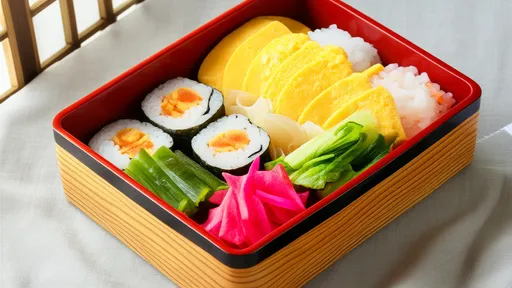
In the bustling train stations of Tokyo and the quiet kitchens of Kyoto, there exists a culinary tradition that defies Western expectations of meal temperature and freshness. The Japanese bento box, with its artful arrangement of cold components, represents not a compromise but a sophisticated philosophy of food preservation, flavor pairing, and cultural aesthetics that has been perfected over centuries.
Food

Daily Intake of Extra Virgin Olive Oil in the Mediterranean Diet

By /Aug 20, 2025

The golden elixir of the Mediterranean basin, extra virgin olive oil, is far more than a simple cooking fat. It is the very heart of the celebrated Mediterranean Diet, a culinary and cultural tradition recognized by UNESCO as an Intangible Cultural Heritage of Humanity. This diet, associated with remarkable longevity and reduced incidences of chronic disease, is not a restrictive regimen but a lifestyle, and at its core pulses the steady, rich flow of EVOO. Understanding its role, and more specifically, the nuances of its daily consumption, is to understand the secret behind one of the world's healthiest ways of eating.
Food

Nordic Foraging Trend: Identifying Edible Wild Berries and Mosses

By /Aug 20, 2025

In the misty forests and along the rugged coastlines of Scandinavia, a quiet revolution is taking root. Foraging, once a necessity for survival in these northern lands, has reemerged as a profound cultural and culinary movement. It is more than a trend; it is a return to an intimate dialogue with the landscape, a way of reconnecting with the ancestral knowledge that lies dormant in the soil and the collective memory. This is not about mere subsistence but about rediscovering a palate shaped by the wild, a philosophy where food is not bought but found, where a meal begins not in a kitchen but with a walk in the woods.
Food

Los Angeles Food Truck Culture: The Innovative Frontier of Fusion Cuisine

By /Aug 20, 2025

In the sprawling urban tapestry of Los Angeles, where cultures collide and coalesce with a vibrant, almost palpable energy, the food truck scene has emerged not merely as a trend but as a culinary institution. It is a democratized dining experience, a roving gallery of gastronomic innovation, and nowhere is this more evident than in its fearless embrace of fusion cuisine. This isn't the fusion of white-tablecloth restaurants from decades past, which often felt deliberate and sometimes contrived. This is fusion born from the streets, a spontaneous and authentic mash-up of flavors, techniques, and traditions that reflects the very soul of the city itself. The taco, the banh mi, the burger—these are no longer static dishes but canvases upon which a new generation of chefs, many of them first or second-generation immigrants, are painting their stories.
Food

Israeli Plant-Based Revolution: The Versatile Application of Chickpeas in Vegetarian Cuisine

By /Aug 20, 2025

In the heart of the Middle East, a quiet revolution is taking root, one that is transforming not just plates but entire food philosophies. Israel, a nation known for its rich culinary heritage and innovative spirit, has become the epicenter of a plant-based movement that is capturing global attention. At the core of this gastronomic shift is a humble legume: the chickpea. This unassuming ingredient, a staple in the region for millennia, is now being reimagined and elevated to unprecedented heights, showcasing its remarkable versatility and nutritional prowess in modern vegetarian and vegan cuisine.
Food

Copenhagen's Noma Restaurant: The Application of Local Ingredients in the Fermentation Lab

By /Aug 20, 2025

In the heart of Copenhagen, a culinary revolution quietly ferments. Noma, a name now synonymous with modern gastronomic innovation, has consistently pushed the boundaries of what is possible on a plate. While its multiple awards and global acclaim are well-documented, the true engine of its creativity lies somewhat hidden from the dining room: its dedicated fermentation laboratory. This is not merely a pantry of exotic ingredients but the very soul of the restaurant, a place where time, microbiology, and a profound respect for local Scandinavian bounty converge to create flavors previously unimagined.
Food

Scone, UK: The Inverse Relationship Between Number of Dough Foldings and Loaf Fluffiness

By /Aug 20, 2025

There is a quiet, almost secretive art to the making of a perfect British scone. It is a pursuit that has confounded home bakers and delighted afternoon tea guests for generations. The goal is universally understood: a baked good that is supremely light, tender, and possessed of a certain ethereal quality that causes it to practically melt on the tongue. The path to this pinnacle of pastry, however, is paved with counterintuitive wisdom. Perhaps the most crucial, and most often misunderstood, tenet of this craft is the paradoxical, inverse relationship between the amount of kneading and the ultimate lightness of the scone. More work, it turns out, does not yield a better rise; in fact, it actively prevents it.
Food

Turkish Baklava: The Crispy Layers of Butter-brushed Nuts

By /Aug 20, 2025

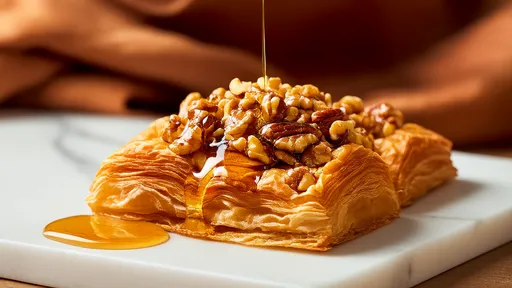
In the bustling markets of Istanbul, the scent of butter and honey weaves through the air, a fragrant invitation to one of Turkey’s most cherished culinary treasures: Baklava. This iconic dessert, with its impossibly thin layers of pastry, rich nuts, and sweet syrup, is more than just a sweet treat; it is a narrative of history, craftsmanship, and sensory delight. At the heart of its legendary texture—a sublime contrast between shatteringly crisp layers and a tender, nutty core—lies a seemingly simple yet profoundly critical technique: the art of butter brushing.
Food

Japanese Nagasaki Castella: Batter Deflation and Syrup Brushing

By /Aug 20, 2025

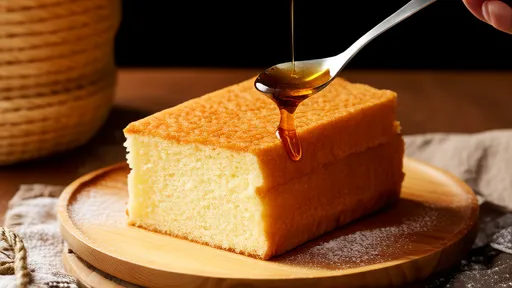
In the quiet confectionery workshops of Nagasaki, where the air hangs thick with the scent of eggs and caramelizing sugar, a centuries-old dance between batter and syrup unfolds. The creation of Castella, that deceptively simple Portuguese-derived sponge cake, is a study in precision and patience, a culinary art where the most critical battles are fought not with complex ingredients, but against the very air itself. Two processes stand as the ultimate determinants between a masterpiece and a mediocrity: the meticulous management of batter aeration and the final, transformative act of sugar syrup brushing. These are not mere steps in a recipe; they are the heart of the craft.
Food

The Key to Success in Making New York Cheesecake: Water Bath Method and No Crust Version

By /Aug 20, 2025

In the world of baking, few desserts command as much reverence and debate as the New York-style cheesecake. Its dense, creamy texture and rich flavor have made it an icon, but achieving that perfect consistency and taste is an art form that divides bakers into distinct camps. Two particular variations—the water bath method and the crustless version—have sparked considerable discussion among enthusiasts and professionals alike. Understanding the nuances of these approaches reveals not just technical details, but a deeper philosophy of what makes a cheesecake truly exceptional.
Food

Italian Gelato: Strict Control of Milk Fat and Air Content

By /Aug 20, 2025

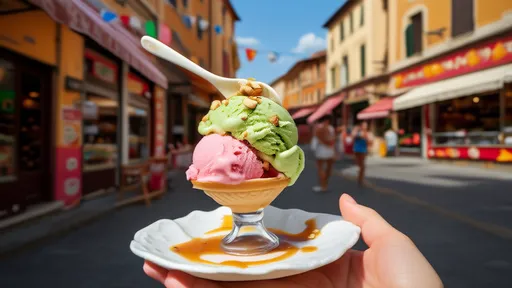
In the sun-drenched piazzas of Italy, where the air hums with the murmur of conversation and the clinking of espresso cups, there stands a counter that draws a perpetual crowd. It is not merely a vendor of cold treats; it is a temple to one of the country’s most cherished culinary arts: gelato. To the uninitiated, it might simply be the Italian word for ice cream. But to connoisseurs and artisans alike, the distinction is profound, rooted in a philosophy of purity, intensity, and a rigorous, almost sacred, adherence to rules that govern its very essence. The soul of authentic Italian gelato lies in two critical, and fiercely controlled, elements: its milk fat content and its air content, parameters that separate a true gelato from its imitators.
Food

The Decisive Impact of Ambient Humidity on the Formation of Ruffles" in French Macarons

By /Aug 20, 2025

In the intricate world of patisserie, few creations demand as much precision and provoke as much anxiety as the French macaron. This delicate confection, a sandwich of two almond meringue shells cradling a flavorful filling, has become a global icon of refined baking. Yet, for every picture-perfect macaron boasting a flawless, frilly "foot" or "pied," colloquially and more elegantly known as the "skirt" or "jupes," there are countless batches that have fallen victim to cracked tops, hollow shells, or the most dreaded failure of all: a complete absence of this signature ruffled base. The journey to macaron mastery is fraught with variables, but seasoned pâtissiers and dedicated home bakers alike are increasingly pointing to one environmental factor as the ultimate arbiter of success or failure: ambient humidity.
Food

Vietnamese Pho: Clarity of Beef Bone Broth and Balance of Spices

By /Aug 20, 2025

In the bustling streets of Hanoi, where the scent of simmering broth mingles with the morning mist, there exists a culinary legend that has captured the hearts and palates of food enthusiasts worldwide. Pho, Vietnam's iconic noodle soup, is more than just a dish; it is a symphony of flavors, a testament to patience, and an art form where clarity and balance reign supreme. At its very core lies the soul of pho—the broth. Not just any broth, but one crafted from beef bones, simmered for hours upon hours, achieving a clarity so profound it appears almost translucent, yet harbors depths of flavor that whisper secrets of tradition and mastery.
Food

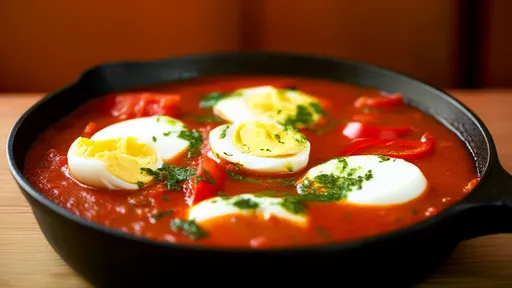
Israeli Shakshuka: Timing the Coagulation of Poached Eggs in Tomato Sauce

By /Aug 20, 2025

Shakshuka, the beloved Middle Eastern dish that has captured the hearts and palates of food enthusiasts worldwide, is a deceptively simple preparation. At its core, it is a symphony of eggs poached in a vibrant, simmering sauce of tomatoes, peppers, onions, and a robust blend of spices. Yet, for all its apparent simplicity, the true mastery of shakshuka lies in a single, critical moment: the precise coagulation of the egg. This is not merely a step in the recipe; it is the culinary climax that separates a good shakshuka from an unforgettable one. The window for perfection is narrow, governed by a delicate interplay of heat, time, and intuition.
Food

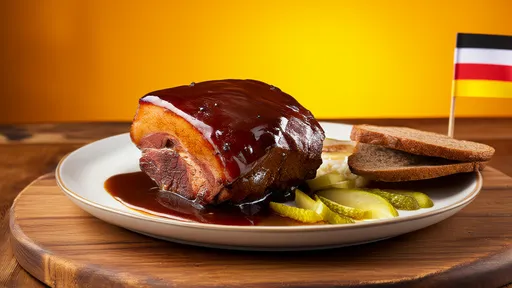
German Beer Marinated Meat: The Dual Tenderizing Effects of Yeast and Protease

By /Aug 20, 2025

In the heart of Germany's culinary traditions lies a technique as robust and nuanced as the culture itself: the marination of meat in beer. This practice, far from being a mere rustic custom, embodies a sophisticated interplay of biochemistry and gastronomy. While many might attribute the tenderizing effects solely to the acidity of beer, the reality is far more complex and fascinating. The true magic unfolds through the dual action of yeast and proteases, working in concert to transform tough cuts into succulent, flavorful masterpieces.
Food

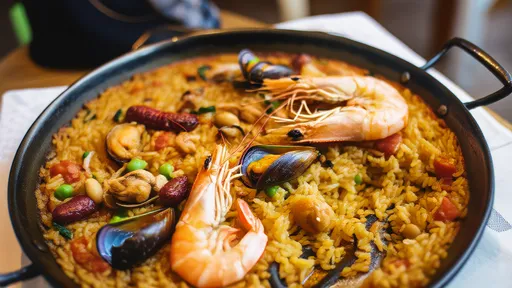
Spanish Seafood Paella: Control of Socarrat Formation and Cooking Temperature

By /Aug 20, 2025

There is a moment in the cooking of a great paella that separates the merely good from the truly transcendent. It is not when the saffron blooms in the warm stock, painting the rice a glorious gold. It is not when the plump shrimp and mussels are arranged atop the pan like jewels. It is a quiet, almost alchemical transformation that happens at the very bottom of the pan, out of sight. It is the creation of socarrat.
Food

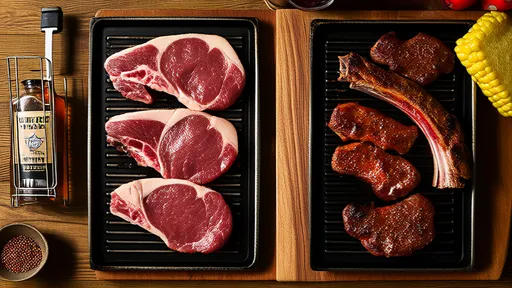
American BBQ: Texas vs Kansas City Sauce Application Timing Comparison

By /Aug 20, 2025

In the sprawling landscape of American barbecue, a culinary tradition steeped in regional pride and painstaking technique, few debates are as fundamental or as fervent as the one concerning the application of sauce. It is a question that cuts to the very heart of a pitmaster's philosophy: is the sauce a integral component of the cooking process, or a final grace note offered for the diner's personal preference? Nowhere is this dichotomy more clearly illustrated than in the contrasting styles of Texas and Kansas City barbecue, two titans of the smokehouse world whose approaches are separated by more than just state lines.
Food

The Power and Flavor Unleashed in Thai Som Tam: Green Papaya Salad

By /Aug 20, 2025

In the bustling night markets of Bangkok and the quiet village kitchens of Isan, there exists a dish that captures the very essence of Thai culinary philosophy: Som Tam. Far more than a simple salad, it is a symphony of textures and a bold declaration of flavor, a dish whose identity is forged not in a pan over a flame, but in the rhythmic, percussive motion of a mortar and pestle. This is where its magic truly begins.