In the heart of Copenhagen, a culinary revolution quietly ferments. Noma, a name now synonymous with modern gastronomic innovation, has consistently pushed the boundaries of what is possible on a plate. While its multiple awards and global acclaim are well-documented, the true engine of its creativity lies somewhat hidden from the dining room: its dedicated fermentation laboratory. This is not merely a pantry of exotic ingredients but the very soul of the restaurant, a place where time, microbiology, and a profound respect for local Scandinavian bounty converge to create flavors previously unimagined.
The philosophy driving this endeavor is a deep-seated belief in terroir, not just of wine, but of everything edible. Chef René Redzepi and his team embarked on a mission to articulate the taste of the Nordic region in its purest and most amplified form. They quickly realized that to achieve depth, complexity, and umami without relying on global imports like citrus, soy, or olive oil, they would need to look to ancient preservation techniques. Fermentation, the transformative power of microbes, became their primary language for writing this new culinary dictionary. The lab is where this language is spoken, studied, and perfected.
Local Ingredients as the Raw Lexicon
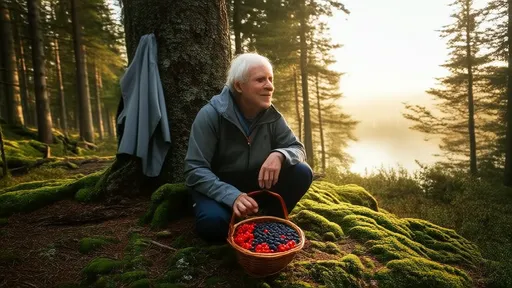
The starting point for every experiment is the landscape itself. Foragers, farmers, and fishermen supply the lab with a constantly rotating harvest of hyper-seasonal ingredients. This isn't limited to the familiar. Yes, there are pristine cod roe and tender spruce tips, but the lab also receives buckets of unripe green strawberries that would otherwise be discarded, piles of foraged mushrooms with fleeting seasons, leftover vegetable peels and tops, and obscure seaweeds hauled from cold Baltic waters. Nothing is deemed unworthy of exploration. This commitment ensures that their culinary expression is not only local but also radically seasonal and waste-conscious, turning potential compost into gastronomic gold.
The Alchemy of Transformation: Techniques and Creations
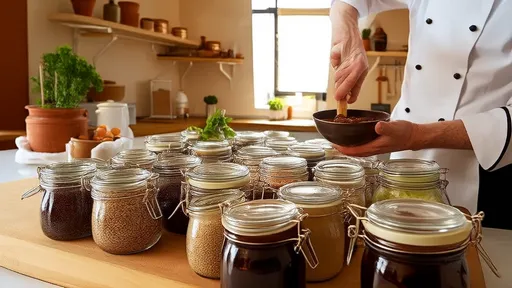
Within the lab's controlled environment, these raw materials undergo remarkable metamorphoses. The team employs a vast array of fermentation techniques, each selected to best suit the ingredient and the desired flavor profile. Lacto-fermentation in brine coaxes startling acidity and funk from ramson bulbs and gooseberries. Koji, the magical mold central to Japanese miso and sake, is cultivated on local grains like barley and rye, and then used to inoculate everything from pumpkin seeds to venison, creating unique Nordic-style misos and shoyus that pulse with umami. Black garlic is taken to new extremes of sweetness and depth through weeks of careful heating.
Perhaps most iconic are the creations that have become staples of the Noma larder. Their garum, a project inspired by ancient Roman fish sauce, is made not with anchovies but with local ingredients like fermented ladybugs for a startling crimson liquid, or with hooves and horns for a deeply savory vegetarian equivalent. They produce vinegars from left-over apple pomace and wild herbs, and kombuchas not from tea, but from foraged ingredients like reindeer moss. Each product is a months- or even years-long project, a testament to patience and a deep curiosity about the potential locked within each element of their environment.
From Lab to Plate: The Culinary Application
The true test of the lab's work is its integration into the dishes served in the dining room. These ferments are never used as mere garnishes; they are fundamental building blocks of flavor. A dollop of rosehip koji provides the sharp, fruity acidity that citrus would normally bring to a seafood dish. A few drops of ant garum might be the secret umami bomb that ties a broth together, adding a complex, meaty savoriness without a trace of meat. A fermented mushroom paste can serve as the base for a sauce that is profoundly earthy and rich. These ingredients allow the chefs to build dishes with incredible layers of flavor that are entirely of their place, creating a coherent and unique narrative throughout a multi-course tasting menu.
This approach has fundamentally changed the culinary conversation. It has proven that a world-class pantry can be built from the ground up, using only what is immediately available, if one is willing to invest the time and scientific rigor. The Noma fermentation lab is more than a research facility; it is a statement of intent. It argues that the future of gastronomy lies not in accessing every ingredient on the planet, but in understanding the infinite potential of one's own backyard. It is a celebration of microbial life as a partner in cooking, a respectful dialogue with nature that yields some of the most exciting and original flavors in the world today.
The legacy of this work extends far beyond Copenhagen. It has ignited a global interest in hyper-local fermentation, inspiring chefs everywhere to look at their own native flora and fauna with new, ambitious eyes. The lab's findings, shared through publications and symposia, have demystified these processes and provided a roadmap for others to follow. Noma's fermentation laboratory is not just creating condiments for a restaurant; it is actively fermenting a new ideology for modern cooking, one where locality, seasonality, and microbial creativity are the most prized ingredients of all.
By /Aug 20, 2025
By /Aug 20, 2025
By /Aug 20, 2025

By /Aug 20, 2025
By /Aug 20, 2025

By /Aug 20, 2025
By /Aug 20, 2025
By /Aug 20, 2025

By /Aug 20, 2025
By /Aug 20, 2025

By /Aug 20, 2025
By /Aug 20, 2025
By /Aug 20, 2025
By /Aug 20, 2025

By /Aug 20, 2025

By /Aug 20, 2025
By /Aug 20, 2025
By /Aug 20, 2025
By /Aug 20, 2025

By /Aug 20, 2025
