Cultivating Exercise Habits and Interests Across Generations: Mother-Daughter Dynamics

Aug 25, 2025 By

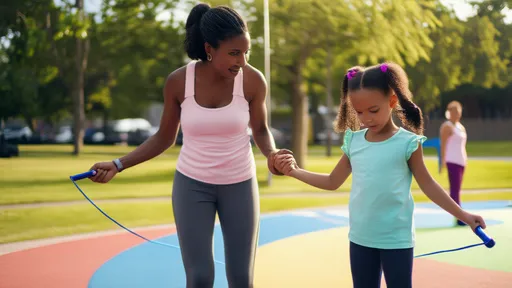
In the quiet hours of early morning, before the world stirs awake, a familiar scene unfolds in households across neighborhoods. A mother laces up her running shoes while her daughter, still rubbing sleep from her eyes, mimics the gesture with smaller, eager hands. This shared ritual, repeated in parks, on trails, and in living rooms, represents more than just physical activity—it embodies a powerful transfer of values, habits, and connection that transcends generations.

The transmission of movement culture from mother to daughter begins not with structured lessons, but with unconscious absorption. From infancy, daughters watch their mothers navigate physical space, witnessing both the struggle and the joy of embodiment. A mother who stretches after a long day, who chooses stairs over elevators, or who dances while cooking dinner plants seeds of movement as natural and integral to daily life. These observations form a child's earliest movement vocabulary, creating neural pathways that associate physical activity with normalcy and pleasure rather than obligation.

As daughters grow, shared activities become the crucible where movement preferences are forged. Weekend hikes transform into conversations without words, where the rhythm of footsteps on earth creates space for confidences to emerge. The parallel movement of bicycles riding side by side allows for discussions that might feel too confrontational face-to-face. In these moments, mothers aren't consciously teaching exercise habits—they're simply being with their daughters in active spaces, creating positive associations that will last decades.

The teenage years often test these established patterns, as daughters seek to establish independence through their own choices. This is when the foundation laid in childhood shows its strength. A daughter who has internalized movement as self-care rather than punishment may rebel in many ways, but she's less likely to abandon physical activity entirely. She might swap her mother's yoga practice for rock climbing, or trading morning runs for dance classes, but the essential understanding remains: movement is part of who she is.

Mothers face particular challenges in modeling a healthy relationship with physical activity. In an era dominated by fitness trackers and aesthetic goals, the line between health and obsession blurs easily. Daughters watch how their mothers speak about their bodies during and after exercise. They notice whether a mother celebrates what her body can do or criticizes how it appears. This observational learning profoundly impacts whether daughters grow to see movement as celebration or punishment.

The digital age has created both barriers and opportunities for intergenerational movement sharing. Screen time competes with active time, yet technology also offers new connection points. Mothers and daughters might share fitness apps, compare step counts, or even participate in virtual challenges together. The key lies in using technology as a tool for connection rather than allowing it to become yet another isolating factor in modern life.

Cultural backgrounds significantly influence how movement traditions pass between generations. In some cultures, dance forms the primary movement language taught from mother to daughter. The rhythmic traditions of flamenco, Bharatanatyam, or African dance carry history and identity along with physical technique. In other families, sports like swimming, skiing, or martial arts create the shared movement vocabulary. What remains universal is the transfer of cultural identity through physical practice.

Economic factors play a substantial role in determining what types of movement get transmitted. Families with limited resources often share walking as primary exercise—a practical necessity that becomes cherished bonding time. More affluent families might share golf, horseback riding, or skiing—activities requiring significant financial investment. The important factor isn't the type of activity, but the consistency and emotional quality surrounding it.

As daughters become mothers themselves, the cycle completes and begins anew. Women often find themselves unconsciously replicating their mothers' movement patterns—both the healthy and the problematic ones. The mother who grew up hiking with her own mother might organize family nature walks. The daughter who watched her mother struggle with body image might consciously work to create a more positive movement environment for her own children.

Research suggests that mothers influence daughters' activity levels more significantly than any other factor—more than peers, schools, or media messages. This influence operates through multiple channels: genetic predisposition, modeled behavior, created opportunities, and verbal messaging. The most successful transmission occurs when activity is presented as play rather than work, as connection rather than isolation, as capability rather than limitation.

Seasonal rhythms often structure intergenerational movement traditions. The first snowflake might trigger memories of mother-daughter sledding expeditions. Spring rains recall splash-filled puddle jumping. Summer evenings evoke images of catch with glow-in-the-dark balls. Autumn leaves bring to mind raking and jumping into piles. These seasonal rituals create anchors in family memory, associating movement with joy and togetherness rather than calorie counting or performance metrics.

Illness and aging test the durability of these shared movement traditions. A mother facing mobility challenges might transition from running partner to walking companion to cheering section. The daughter who once followed now leads, supporting her mother's changing capabilities while maintaining their connection through adapted activities. This phase teaches perhaps the most valuable lesson: that movement evolves across a lifetime, but the shared experience remains precious regardless of form.

The current pandemic era has reshaped how mothers and daughters share physical activity. With gyms closed and team sports suspended, families returned to fundamental movements: walking, hiking, home workouts. This forced simplification created opportunities for rediscovery—of local trails, of backyard games, of the pure joy of movement without expensive equipment or specialized facilities. Many families found that stripping away the commercial aspects of fitness brought them closer to the essence of why we move.

Ultimately, the transfer of movement culture between mother and daughter represents one of the most profound and lasting inheritances. It shapes not only physical health across generations, but emotional patterns and relational connections. The mother who shares her love of movement gives her daughter tools for managing stress, finding community, and experiencing joy throughout her life. This silent education in embodiment may be one of motherhood's greatest gifts—and responsibilities.

In examining these patterns across cultures and circumstances, what emerges is neither prescription nor formula, but recognition of opportunity. The mothers who most successfully transmit healthy movement habits are those who themselves continue learning, adapting, and finding pleasure in physical being. They demonstrate that movement isn't about achieving ideal forms, but about continually discovering what brings vitality and connection. And in this continuous discovery, they offer their daughters the deepest inheritance: the capacity for a lifetime of joyful movement.
Recommend Posts
Fitness

Father-Child Interactive Physical Games

By /Aug 25, 2025

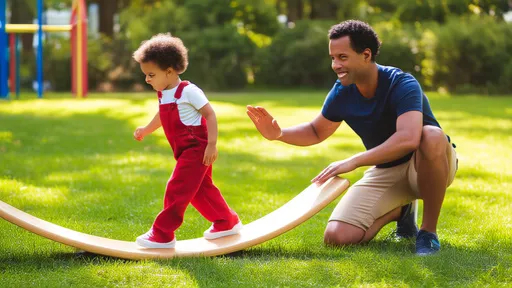
In the quiet of a suburban backyard, a father kneels on the grass, his hands outstretched as his toddler wobbles toward him with unsteady steps. The child’s laughter rings through the air, a sound as pure and uplifting as any symphony. This simple moment—an everyday scene playing out in countless homes—holds within it a profound truth: the power of interactive physical play between father and child extends far beyond mere amusement. It is a dynamic, living dialogue that shapes bodies, minds, and bonds in ways both visible and unseen.
Fitness

A Guide to Men's Sports Hairstyles Compatible with Helmets

By /Aug 25, 2025

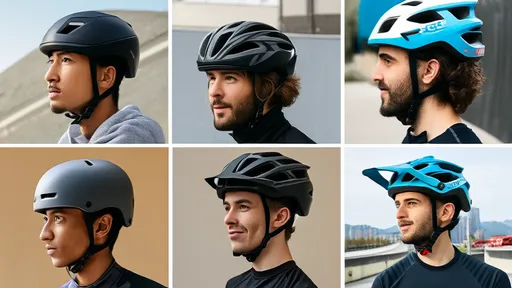
For the active man, finding the perfect balance between style and functionality can be a challenge, especially when it comes to pairing a great haircut with essential safety gear like a helmet. Whether you're an avid cyclist, a dedicated motorcyclist, or engage in high-impact sports, your hairstyle shouldn't be an afterthought. It plays a crucial role in both comfort and safety. A well-chosen cut can mean the difference between a comfortable, secure fit and a distracting, uncomfortable experience that might even compromise protection. This guide delves into the key considerations for selecting a hairstyle that not only looks sharp off the field or road but also works in seamless harmony with your helmet.
Fitness

Enhancing Athletic Performance and Optimizing Natural Testosterone Levels

By /Aug 25, 2025

In the realm of athletic performance, the pursuit of enhancement is relentless. Athletes and fitness enthusiasts alike constantly seek methods to push their boundaries, achieve new personal bests, and optimize their physical capabilities. While numerous factors contribute to athletic prowess—ranging from training regimens and nutrition to recovery protocols and mental fortitude—one biological component often stands at the forefront of discussions: testosterone. This hormone, predominantly produced in the testes in men and the ovaries and adrenal glands in women, plays a pivotal role in muscle growth, strength development, fat metabolism, and overall energy levels. Consequently, understanding how to naturally optimize testosterone levels has become a critical focus for those aiming to elevate their sports performance without resorting to artificial or banned substances.
Fitness

Breaking Through Grip Strength Plateaus in Strength Training

By /Aug 25, 2025

In the iron jungle of strength training, where plates clang and chalk dust hangs in the air like a sacrament, few obstacles are as quietly frustrating as the grip bottleneck. You’ve felt it—the bar beginning its slow, inexorable escape from your fingers during a heavy deadlift, the dumbbell slipping on the final rep of a farmer’s walk, the forearms screaming in protest during a set of heavy rows. It’s a humbling experience. The larger, more glamorous muscle groups—the quads, the lats, the pecs—are ready and willing, but the humble hands, the unsung heroes of every lift, simply give out. This isn’t just an inconvenience; it’s a hard ceiling on your potential progress.
Fitness

Targeted Training for Abdominal Obesity in Middle-aged Men

By /Aug 25, 2025

As men cross into their fourth and fifth decades of life, a common and frustrating transformation often takes hold around the midsection. This phenomenon, colloquially known as the "dad bod," is far more than a simple cosmetic concern. It represents a significant shift in body composition and metabolism that can have profound implications for long-term health and vitality. The accumulation of visceral fat—the deep, internal adipose tissue that packs around abdominal organs—is particularly insidious. Unlike subcutaneous fat found just under the skin, this type of fat is metabolically active, pumping out inflammatory compounds and hormones that disrupt the body's delicate balance.
Fitness

Strategies for Choosing Takeout During the Muscle-Building Phase (Hot Pot/BBQ)

By /Aug 25, 2025

As fitness enthusiasts navigate the demanding landscape of muscle building, the challenge of maintaining nutritional discipline while dining out becomes particularly pronounced. Among the myriad of culinary temptations, hot pot and barbecue stand out not merely as popular social dining options but as potential minefields or goldmines for the discerning individual in a bulking phase. The key lies not in avoidance but in strategic selection, transforming these communal meals into powerful allies for your gains.
Fitness

Visual Comparison Chart of Body Fat Percentage and Scientific Measurement Methods

By /Aug 25, 2025

In the realm of health and fitness, understanding body composition has become increasingly important, with body fat percentage standing out as a critical metric. Unlike the simplistic measure of weight or even the Body Mass Index (BMI), body fat percentage offers a more nuanced view of one's physical condition, distinguishing between fat mass and lean body mass. This distinction is vital because it acknowledges that not all weight is created equal; muscle tissue, for instance, is denser and metabolically more active than fat tissue. Consequently, two individuals with identical weights and heights can have vastly different body compositions and, therefore, different health profiles. The pursuit of a healthy body fat percentage is not merely an aesthetic endeavor but a cornerstone of metabolic health, influencing everything from hormone regulation to risk factors for chronic diseases.
Fitness

Optimizing Men's Skincare and Post-Exercise Cleansing Routine

By /Aug 25, 2025

In the modern era of personal care, men's skincare has evolved from a mere afterthought to an essential aspect of daily grooming. The intersection of fitness and skincare, particularly post-workout routines, presents a unique opportunity to address specific challenges that active men face. Sweat, oil, and environmental pollutants accumulate during physical exertion, making effective cleansing not just a matter of hygiene but a cornerstone of skin health. Understanding the nuances of this process can transform a simple wash into a powerful ritual that supports both appearance and well-being.
Fitness

Special Physical Fitness Reserve for Intermittent Sports like Football and Basketball

By /Aug 25, 2025

In the high-stakes world of competitive sports, the conversation around athletic preparation has shifted dramatically. No longer is raw talent or relentless practice alone sufficient to secure victory at the highest levels of football, basketball, or other intermittent sports. The true differentiator, the hidden engine of performance, is now understood to be a meticulously crafted and highly specialized foundation of physical conditioning. This isn't just about being fit; it's about building a specific type of fitness that mirrors the brutal, unpredictable, and explosive demands of the game itself.
Fitness

Breaking Through the Zero" Pull-Up Barrier with a Step-by-Step Assistance Training Ladder

By /Aug 25, 2025

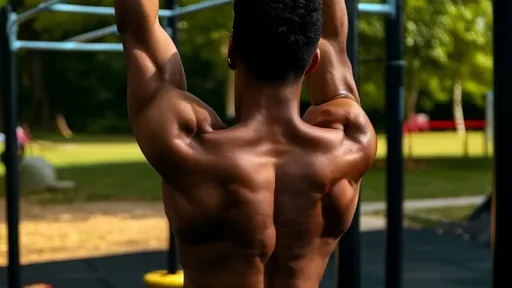
For countless fitness enthusiasts, the pull-up represents one of the most formidable yet rewarding bodyweight exercises. The ability to lift one’s entire body against gravity is a true testament to upper body strength and control. However, many find themselves stuck at ground zero, unable to complete even a single repetition. This common hurdle can be frustrating, but it is far from insurmountable. With a structured, progressive approach, breaking through that initial barrier is an achievable goal for individuals at any starting point.
Fitness

Cultivating Exercise Habits and Interests Across Generations: Mother-Daughter Dynamics

By /Aug 25, 2025

In the quiet hours of early morning, before the world stirs awake, a familiar scene unfolds in households across neighborhoods. A mother laces up her running shoes while her daughter, still rubbing sleep from her eyes, mimics the gesture with smaller, eager hands. This shared ritual, repeated in parks, on trails, and in living rooms, represents more than just physical activity—it embodies a powerful transfer of values, habits, and connection that transcends generations.
Fitness

Women's Health Screening Programs and Exercise Safety Assessment

By /Aug 25, 2025

In the evolving landscape of preventive healthcare, the integration of specialized screening programs for women with comprehensive exercise safety assessments represents a pivotal advancement. This dual-focused approach not only addresses the unique physiological and health challenges faced by women but also empowers them to engage in physical activity safely and effectively. Historically, health initiatives have often employed a generalized methodology, but the growing body of research underscores the necessity for gender-specific considerations, particularly in cardiovascular, bone, metabolic, and hormonal health. Concurrently, as more women of all ages embrace fitness regimes—from recreational running to high-intensity interval training—the importance of pre-participation evaluations tailored to female physiology cannot be overstated. By merging these two critical components, healthcare providers can create a holistic framework that promotes long-term wellness, prevents injury, and mitigates the risk of underlying conditions being exacerbated by physical exertion.
Fitness

Appetite Fluctuations and Dietary Management Before Menstruation

By /Aug 25, 2025

As the menstrual cycle progresses, many women notice distinct changes in their bodies, and one of the most commonly reported shifts occurs in appetite and food cravings in the days leading up to menstruation. This phenomenon, often brushed off as a simple case of "PMS munchies," is deeply rooted in the complex interplay of hormones that govern the menstrual cycle. Understanding these fluctuations isn’t just about satisfying curiosity—it’s about empowering individuals to navigate this monthly phase with greater awareness, making choices that support both physical comfort and emotional well-being.
Fitness

Arch Support Emergency Kit for High Heel Wearers

By /Aug 25, 2025

For the dedicated high heel enthusiast, the allure of elevated footwear comes with an unspoken physical toll. While the aesthetic appeal and confidence boost are undeniable, the strain placed on the feet, particularly the plantar fascia, is a significant and often painful trade-off. This band of tissue running along the bottom of the foot absorbs the immense impact of walking, an impact that is dramatically amplified and unevenly distributed when wearing heels. The result is often a sharp, stabbing pain in the heel or arch, a condition known as plantar fasciitis, which can quickly turn a passion for fashion into a painful predicament.
Fitness

Awake the 'Forgotten' Glutes of Office Desk Dwellers"

By /Aug 25, 2025

In the humming heart of the modern corporate world, a silent epidemic is unfolding. It doesn't make headlines, but its effects are felt in lower back clinics, physiotherapy offices, and the daily lives of millions. We are talking about "gluteal amnesia," a term coined by physical therapists to describe a phenomenon where the body's most powerful muscle group simply forgets how to function. For the office-bound professional, whose day is a marathon of sitting, this condition is not a mere inconvenience; it is a fundamental breakdown of the body's structural integrity, leading to a cascade of physical ailments.
Fitness

Yoga Pants Pressure Grading Matching with Exercise Types

By /Aug 25, 2025

In the ever-evolving world of athletic apparel, yoga pants have transcended their origins to become a staple in wardrobes far beyond the studio. Yet, not all yoga pants are created equal, particularly when it comes to the often-overlooked aspect of compression. The degree of pressure exerted by these garments plays a crucial role in performance, comfort, and recovery, making it essential to understand how to match this feature with specific types of movement.
Fitness

Common Misconceptions in Weight Selection for Women's Strength Training

By /Aug 25, 2025

When it comes to strength training for women, the conversation around weight selection is often clouded by misconceptions that have persisted for far too long. Many women walk into the gym with a predetermined idea of what they should be lifting, influenced by outdated stereotypes and a culture that has historically discouraged them from embracing heavy weights. This has led to a landscape where confusion reigns, and potential progress is left on the table. It's time to dismantle these myths and approach the topic with clarity and evidence-based reasoning.
Fitness

Gentle Upper Body and Core Training for Nursing Mothers

By /Aug 25, 2025

As a new mother navigates the beautiful yet demanding journey of breastfeeding and caring for her infant, maintaining physical health often takes a backseat. However, integrating gentle yet effective exercises tailored for the upper body and core can significantly enhance a mother's well-being during this delicate phase. The postpartum period brings about numerous physical changes, and a thoughtful approach to fitness can aid recovery, improve posture, and boost energy levels without compromising milk supply or overall health.
Fitness

Pregnancy Safety Exercise List and Absolutely Forbidden Movements

By /Aug 25, 2025

Pregnancy represents one of the most transformative periods in a woman's life, characterized by profound physical and emotional changes. While rest and proper nutrition are undeniably important, the role of physical activity during this time is equally significant—and often misunderstood. For decades, pregnant women were advised to avoid exertion, but contemporary medical research has thoroughly debunked this notion. Today, we understand that for most women with uncomplicated pregnancies, exercise is not only safe but highly beneficial. It can boost mood, improve sleep, reduce common discomforts, and even prepare the body for labor. However, this encouragement comes with crucial caveats. The key lies in understanding which activities are supportive and which pose potential risks, making an informed and personalized approach to movement absolutely essential.
Fitness

Training Intensity Recommendations for Different Stages of the Physiological Cycle

By /Aug 25, 2025

As women increasingly recognize the importance of aligning their fitness routines with their natural biological rhythms, understanding how to train according to menstrual cycle phases has become a game-changer for performance and recovery. The female body undergoes remarkable hormonal fluctuations throughout the cycle that significantly impact energy levels, strength capacity, and recovery needs. Rather than maintaining the same training intensity month-round, periodizing workouts to sync with these physiological changes can help women train smarter, prevent burnout, and achieve better results.