In the humming heart of the modern corporate world, a silent epidemic is unfolding. It doesn't make headlines, but its effects are felt in lower back clinics, physiotherapy offices, and the daily lives of millions. We are talking about "gluteal amnesia," a term coined by physical therapists to describe a phenomenon where the body's most powerful muscle group simply forgets how to function. For the office-bound professional, whose day is a marathon of sitting, this condition is not a mere inconvenience; it is a fundamental breakdown of the body's structural integrity, leading to a cascade of physical ailments.
The science behind it is both simple and profound. The human body is a masterpiece of kinetic engineering, designed for movement. The gluteus maximus, medius, and minimus are the pillars of this system. They are our primary hip extensors, abductors, and external rotators. They propel us forward when we walk, stabilize our pelvis when we stand, and protect our spine from undue stress. However, these muscles are also large and require significant neural drive to activate. When we sit for prolonged periods, these muscles are switched off, lengthened, and deprived of the constant feedback loops that remind the brain of their purpose. The brain, in its remarkable efficiency, begins to reroute signals. It starts to rely on smaller, secondary muscles—the hamstrings, the hip flexors, the quadratus lumborum in the lower back—to perform jobs they are ill-equipped to handle. This is the onset of amnesia. The glutes are not weak; they are dormant, asleep at the wheel.
The consequences of this neurological shutdown are far-reaching. The most immediate complaint is often a dull, persistent ache in the lower back. This pain is a distress signal. The overworked lower back muscles and tight hip flexors are screaming under the strain of doing the glutes' job. This muscular imbalance doesn't stop there. It can lead to anterior pelvic tilt, giving the appearance of a protruding stomach even in fit individuals. It alters gait, making walking less efficient and potentially contributing to knee valgus (knock knees) and foot pronation. The body is a chain, and a weak link in the glutes creates dysfunction all the way down to the ankles. For the avid weekend warrior, this dysfunction is a ticking time bomb, significantly increasing the risk of injuries like hamstring strains, IT band syndrome, and even debilitating conditions like sciatica.
Awakening these sleeping giants requires a two-pronged approach: first, we must change our daily habits, and second, we must engage in targeted reactivation. The battle begins not in the gym, but at the desk. The most powerful tool is frequent interruption of sitting. Set an alarm for every 25 to 30 minutes. When it rings, stand up. This doesn't require a five-minute break; a mere 30 seconds to a minute is enough to reset the pelvic position and send a wake-up call to the posterior chain. Walk to get a glass of water, do a quick stretch by the printer, or simply stand during a phone call. These micro-breaks are revolutionary in their cumulative effect. Secondly, reassess your seated posture. Instead of slouching into the chair, try to sit actively at the edge of your seat with your feet flat on the floor, which encourages a more neutral spine and slightly engages the hamstrings and glutes.
The second prong of the attack is a deliberate practice of glute activation exercises. This is not about lifting heavy weights; it is about re-establishing the mind-muscle connection. The goal is to feel the glutes firing, to remind your nervous system of their existence and purpose. This should be done daily, ideally as a morning routine or a pre-work ritual before you even sit down at your desk. The glute bridge is the quintessential activation exercise. Lie on your back with knees bent and feet flat on the floor. Before you lift your hips, focus your mind on your glutes. Exhale and drive through your heels to lift your hips toward the ceiling, squeezing your glutes hard at the top. The movement should be controlled and deliberate. Hold for a two-count at the peak contraction, then lower slowly. The focus is not on height but on the quality of the squeeze. Another potent movement is the clamshell. Lying on your side with knees bent and stacked, keep your feet together as you open your top knee like a clamshell. This directly targets the often-neglected gluteus medius, a critical stabilizer.
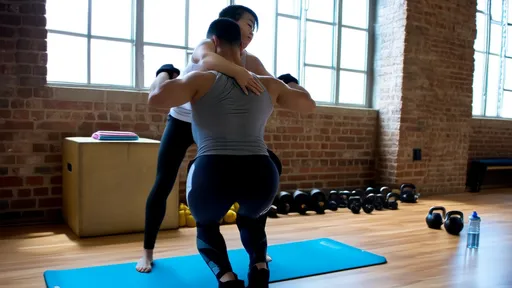
Bird-dog is another excellent drill for integration and stability. On all fours, extend your right arm forward and your left leg back simultaneously, keeping your core braced and your hips square to the floor. The challenge is to avoid any rotation or sagging in the lower back. This movement teaches the glutes to fire in coordination with the rest of the posterior chain, promoting holistic stability. For those who can perform them with good form, bodyweight squats and lunges are fundamental. The key is to consciously push through the entire foot, especially the heels, and imagine spreading the floor apart with your feet to maximize glute engagement. As you stand up from the bottom of a squat, drive your hips forward and squeeze your glutes hard at the top of the movement.
Integrating this awakening into a long-term fitness philosophy is crucial. This is not a two-week fix; it is a permanent recalibration of how you inhabit your body. View your glutes not as aesthetic features but as vital components of your health infrastructure. When you engage in your regular workouts, whether it's running, cycling, or weight training, make a conscious effort to initiate movements from your hips and glutes. Before a run, perform a series of dynamic stretches like leg swings and walking lunges to prime the muscles. During a weightlifting session, ensure your glutes are fully engaged during deadlifts, squats, and hip thrusts. This mindful approach transforms exercise from a repetitive motion into a practice of neurological reinforcement.
The journey out of gluteal amnesia is a journey back to a more natural state of being. It is a reclamation of the power and stability that is your biological birthright. It begins with the simple, yet radical, act of standing up. It is nurtured through daily moments of mindful movement that whisper to your nervous system, reminding it of the strength that lies dormant. For the modern professional, this is not just fitness; it is a form of rebellion against a sedentary world. It is the key to unlocking a life free from nagging pain, filled with vitality, and capable of embracing any physical challenge with confidence and strength. The cure for amnesia is memory, and the memory of how to move with power is waiting to be rediscovered.
By /Aug 25, 2025

By /Aug 25, 2025

By /Aug 25, 2025
By /Aug 25, 2025

By /Aug 25, 2025

By /Aug 25, 2025
By /Aug 25, 2025

By /Aug 25, 2025
By /Aug 25, 2025
By /Aug 25, 2025
By /Aug 25, 2025
By /Aug 25, 2025

By /Aug 25, 2025

By /Aug 25, 2025

By /Aug 25, 2025
By /Aug 25, 2025

By /Aug 25, 2025
By /Aug 25, 2025
By /Aug 25, 2025
By /Aug 25, 2025
